
Ang "mura" ay isa sa mga pinakahahanap na pamantayan sa mga pampromosyong item. At naiintindihan ito: kapag namamahagi ka ng ilang libong medium, bawat ikasampu ng euro ay mabigat sa panghuling bill. Ngunit ang pagbabawas ng pagpili sa presyo ng yunit lamang ay pag-aalis ng bahagi ng halaga. Ang pinakamura ay maaaring maging mahal kung ang bagay ay agad na itinapon, kung sinisira nito ang imahe ng brand o kung wala itong nabuong masusukat na pagkilos.
Tinutulungan ng gabay na ito na mag-isip nang iba: hindi sa presyo bawat bagay, kundi sa gastos bawat kapaki-pakinabang na pakikipag-ugnayan. Ang isang ₱1 na goodie na bumubuo ng isang scan, isang lead o isang Google review ay maaaring higit na kumikita kaysa sa isang ₱0.30 na goodie na napupunta sa basura ng hall ng trade show. Ang tamang murang bagay ay ang nagsasama ng accessibility ng presyo, sapat na kalidad para sa brand at kakayahang mag-trigger ng isang bagay.
Bakit maghanap ng mga murang pampromosyong item?
Lehitimo ang mga dahilan. Kapag mahigpit ang badyet sa marketing, kapag mataas ang dami, kapag isang beses lamang ang operasyon o kapag napakalawak ng target, nagiging estrukturadong salik ang presyo ng yunit. Limang konteksto ang madalas na bumabalik.
- Limitadong badyet sa marketing, partikular para sa mga SME at bagong istruktura.
- Pamamahagi sa dami sa isang trade show o isang malawakang public event.
- Product launch na may pangangailangang mabilis na masakop ang teritoryo.
- Field prospecting ng isang sales force na namamahagi araw-araw.
- Komersyal na aktibidad o isang beses na pang-promosyong operasyon.
Ang bitag ng pinakamababang presyo
Kapag ini-optimize mo lamang ang presyo ng yunit, halos mekanikal mong iniangkat ang mga depekto ng low-cost. Narito ang mga naobserbahang bunga sa totoong buhay, sa mga kampanyang may mabuting hangarin naman.
- Mababang kalidad: marupok na materyal, palpak na finish, mabilis na pagkaluma.
- Mahinang visual na resulta: kupas na kulay, palpak na pag-print, hindi nababasang logo.
- Bagay na agad na itinapon: masyadong halatang low-end upang karapat-dapat itago.
- Masamang imaheng naipapadala: ang isang palpak na goodie ay nagpapahiwatig ng isang palpak na kumpanya.
- Kawalan ng pag-iingat: marginal na paggamit, napakaikling tagal ng pagkakalantad.
- Walang masusukat na kita: walang posibleng scan, kaya walang makalkulang ROI.
Paano pumili ng isang matipid ngunit epektibong pampromosyong item?
May isang zone ng balanse: kinokontrol na presyo, sapat na kalidad, tunay na pagiging kapaki-pakinabang, kakayahang sumukat. Narito ang isang simpleng pamamaraan sa pitong hakbang upang mahanap ito.
- Magsimula sa paggamit: dapat may silbi ang bagay sa araw-araw ng target.
- Manatiling simple: ang isang standard na format ay mas mura kaysa sa isang custom na paglikha.
- Maghangad ng minimum na katanggap-tanggap na kalidad: walang materyal na nabibiyak o mabilis na nasisira.
- Iakma sa target: ang gumagana para sa malawakang publiko ay hindi gumagana para sa isang premium na customer.
- Maglaan ng CTA: ang isang murang bagay ay maaari pa ring tumuro sa isang masusukat na pagkilos.
- Lumikha ng landing page: madalas dito nangyayari ang conversion, hindi sa bagay mismo.
- Sukatin ang mga resulta: kung walang pagsubaybay sa mga scan, imposibleng i-optimize ang susunod na kampanya.
Ang mga naa-access na bagay na maaaring gumana nang mabuti
Ilang medium ang nananatiling compatible sa isang mahigpit na badyet habang pinananatili ang tunay na potensyal sa marketing. Narito ang mga pinakamadalas na bumabalik sa aming mga quote na "kinokontrol na badyet".
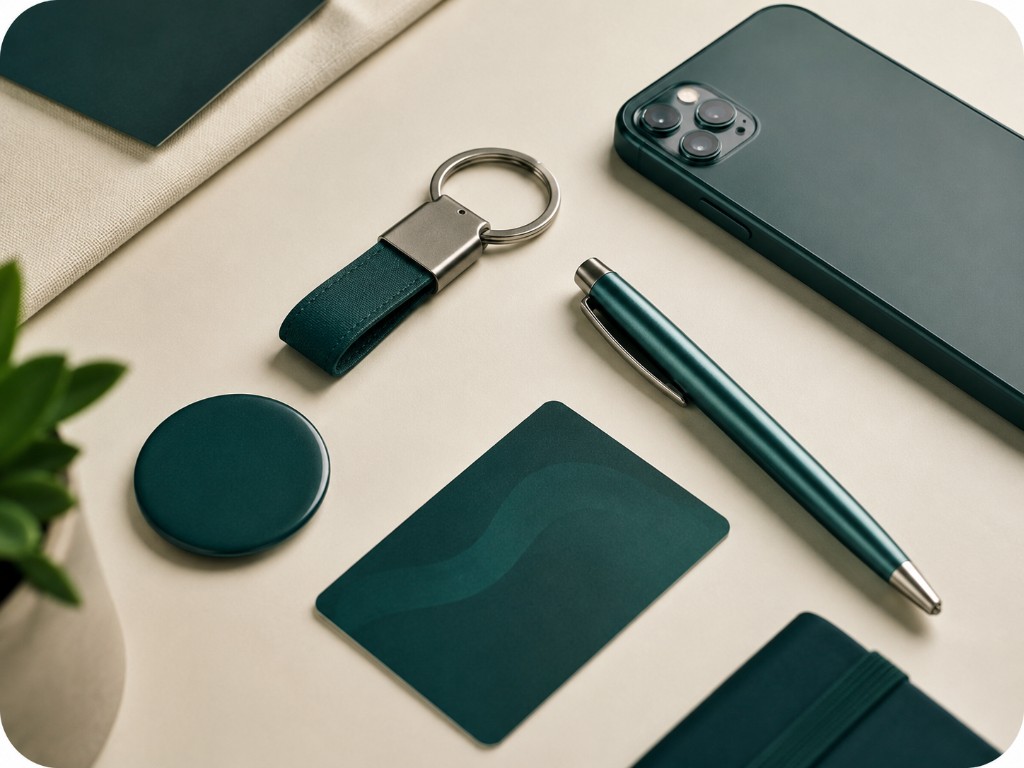
- NFC magnet: matibay, iniingatan nang matagal, naa-access na presyo sa dami.
- Simpleng NFC badge: mainam para sa event at masang pamamahagi.
- Entry-level na NFC key ring: mahabang pag-iingat, mababagong link.
- Simpleng NFC card: standard na format, kaunting finish, perpekto para sa volume networking.
- Basic na NFC plate: simpleng bersyon para sa mga tindahang may maliit na badyet sa komunikasyon.
- Konektadong pen: depende sa dami, maaaring manatiling napaka-access na may tunay na halaga ng paggamit.
Bakit maaaring mas kumikita ang isang konektadong bagay
Ang isang NFC na bagay ay karaniwang bahagyang mas mahal kaysa sa isang katumbas na basic na goodie. Ngunit ang differential na ito ay nababawi sa sandaling mag-trigger ang bagay ng mga masusukat na pagkilos. Ito ang buong kahulugan ng pangangatwiran na "gastos bawat kapaki-pakinabang na pakikipag-ugnayan" sa halip na "gastos bawat yunit".
Sa konkreto, ang isang konektadong bagay ay maaaring bumuo ng mga scan, lead, Google review, napunong form, kahilingan para sa quote, pagpapatala sa isang referral program, conversion patungo sa isang bili. Kung saan nananatiling pipi ang isang klasikong goodie, ang konektadong bagay ay nagiging isang kumpletong acquisition channel. At ang bawat sinukat na pagkilos ay maaaring ihambing sa gastos nitong acquisition.
Paano kalkulahin ang ROI ng isang kampanya?
Simple ang prinsipyo: ihambing ang kabuuang gastos ng kampanya (produksyon, personalization, logistics, landing page, pag-set up, pagsubaybay) sa mga nabuong pagkilos at sa halaga ng negosyo ng bawat isa. Ang generic na formula ay isang linya lang: ROI = (halaga ng mga nabuong pagkilos – kabuuang gastos) / kabuuang gastos.
Nang hindi nangangako ng tumpak na resulta, ang karaniwang halimbawa ay nagsasalita. Ang isang kampanya ng 1,000 konektadong bagay na bumubuo ng mga scan, kahilingan para sa quote o review ng customer ay madalas na nagiging mas kumikita kaysa sa isang pamamahagi ng 3,000 na hindi masusukat na bagay. Maaaring hindi mo malaman kung ano ang naibalik ng pangalawa, malalaman mo nang eksakto kung ano ang naibalik ng una.
Para sa mga kumplikadong kampanya, kapaki-pakinabang na mag-isip sa ilang KPI: gastos bawat scan, gastos bawat qualified na lead, gastos bawat Google review, gastos bawat na-book na appointment. Ang segmentation na ito ay nagpapahintulot na matukoy kung ano ang gumagana, iakma ang pinaka-epektibong medium at alisin ang walang binubuo.
Ang mga pagkakamaling dapat iwasan
Limang pagkakamali ang paulit-ulit na bumabalik sa mga kampanyang "mahigpit na badyet". Ang pag-asa sa mga ito ay umiiwas sa pag-aaksaya ng puhunan, gaano man ito kaliit.
- Pumili batay lamang sa presyo: ito ang pundasyong pagkakamali na nagpaparumi sa buong kampanya.
- Pabayaan ang kalidad: ang isang halatang low-end na bagay ay hindi karapat-dapat itago.
- Kalimutan ang imahe ng brand: ang isang palpak na goodie ay nagpapahiwatig ng isang pabayang kumpanya.
- Walang plano na anumang pagkilos: kung walang CTA pagkatapos matanggap, nananatiling pasibo ang medium.
- Hindi subaybayan ang mga resulta: kung walang pagsukat, uulitin mo ang parehong pagpili bilang default.
Gumawa ng naa-access, naka-personalize at nasusukat na mga promotional item
Tinutulungan ka ng Timelapse-3D na mahanap ang tamang balanse ng presyo/kalidad/sukat para gawing tunay na kumikitang campaign ang isang mahigpit na badyet.
FAQ
Ano ang pinakamurang promotional item?
Ang mga sticker ng NFC, simpleng NFC card at panulat ay nananatiling kabilang sa mga pinakanaa-access na opsyon, lalo na sa volume. Ang pinakamurang ay bihirang nananatiling pinaka kumikita: ang tunay na kapaki-pakinabang na yunit ng pagsukat ay ang gastos sa bawat pakikipag-ugnayan.
Paano pumili ng murang goodies?
Magsimula sa paggamit at sa target, pumili ng karaniwang format, suriin ang minimum na katanggap-tanggap na kalidad, magplano ng CTA pagkatapos mag-scan at maghanda ng malinaw na landing page. Doon nanggagaling ang conversion, hindi sa sentimos na kinita sa item.
Mabisa ba ang mga murang promotional item?
Maaari silang ibigay kung sila ay kapaki-pakinabang, sapat na husay upang mapangalagaan at maiugnay sa masusukat na pagkilos. Kung wala ang tatlong kundisyong ito, ang mababang halaga ay binabayaran para sa pagkawala ng imahe at isang kabuuang kawalan ng ROI.
Anong badyet ang dapat mong planuhin?
Sa halip na maghangad ng ganap na presyo ng yunit, isipin ang halaga sa bawat kapaki-pakinabang na pakikipag-ugnayan. Ang isang ₱2 na NFC magnet na bumubuo ng isang pagsusuri sa Google at isang reserbasyon ay maaaring maging mas kumikita kaysa sa isang ₱0.30 na pen na hindi kailanman ginagamit.
Paano sukatin ang kakayahang kumita?
Sa pamamagitan ng pagsubaybay sa mga pag-scan, lead, pagsusuri ng Google at mga conversion na nabuo ng mga nakakonektang bagay. Ihambing ang kabuuang halaga ng campaign (produksyon + landing + pagsubaybay) sa halaga ng negosyo ng mga pagkilos na na-trigger.
Anong murang bagay ang pipiliin para sa isang sala?
Isang NFC magnet, isang simpleng NFC badge o isang entry-level na NFC card. Ang mga suportang ito ay nananatiling naa-access sa dami habang ginagawang posible na makakuha ng isang kwalipikadong lead sa bawat pag-scan, na may isang trade show at komersyal na konteksto.