
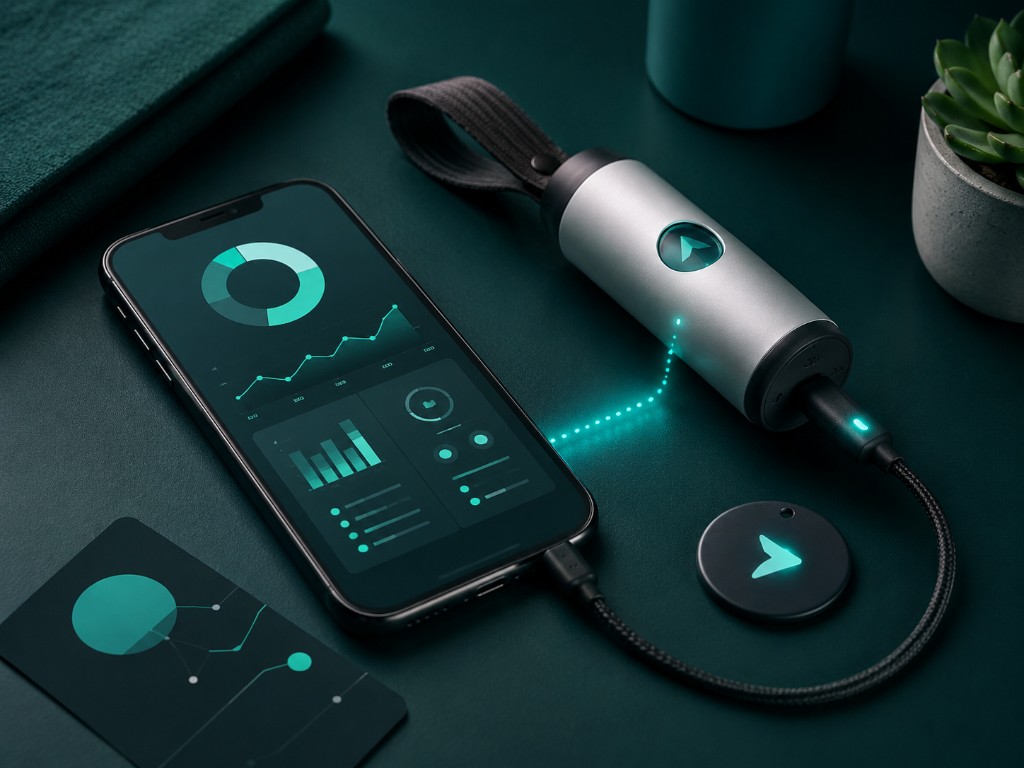
Ang advertising sa pamamagitan ng bagay ay umiiral nang mahigit isang siglo. Mga kalendaryong ibinibigay, pen na may logo, promotional na cap, mug ng kumpanya: pareho pa rin ang batayang mekanismo. Mamahagi ng pisikal na medium upang mabuhay ang brand sa araw-araw ng mga tatanggap. Nananatiling valid ang lohikang ito, ngunit dumaranas ito ng isang makasaysayang limitasyon: halos imposible itong sukatin.
Binabago ng pagdating ng NFC sa smartphone ang laro. Nananatili ang pisikal na medium, ngunit nagiging kaya nitong mag-trigger ng isang digital na pakikipag-ugnayan, magbukas ng isang web page, mangolekta ng datos at mag-ulat ng performance ng isang kampanya. Ito ang tinatawag naming media object: isang hybrid na medium sa pagitan ng tangible na advertising at digital na marketing, na kaya nitong magpakalat ng mensahe, lumikha ng pakikipag-ugnayan at sumukat ng resulta nang sabay. Ipinapaliwanag ng gabay na ito kung ano ang nasa likod ng ideyang ito at kung paano ito gamitin nang konkreto sa isang kumpanya.
Kahulugan ng advertising sa pamamagitan ng bagay
Ang advertising sa pamamagitan ng bagay ay tumutukoy sa paggamit ng mga pisikal na medium upang magdala ng mensahe ng brand. Maaaring napaka-standard ang bagay (pen, mug, tote bag), napaka-espesyalisado (event badge, business card, trade magnet) o napaka-premium (gift box, custom na bagay). Anuman ang format, nananatiling pareho ang paunang layunin: lumikha ng isang nakikita at matagal na presensya sa paligid ng brand.
Simple ang mga pangunahing bahagi: isang pisikal na medium, isang logo, isang mensahe, isang organisadong pamamahagi. Nakadepende ang tagumpay sa ilang salik: kalidad ng medium, kaugnayan sa target, konteksto ng pamamahagi, tagal ng pag-iingat. Ang isang matagumpay na kampanya ay nag-iiwan ng mahabang bakas sa araw-araw ng mga tatanggap.
Ang mga limitasyon ng tradisyunal na object advertising
Sa kabila ng kaugnayan nito, matagal nang dumaranas ang advertising sa pamamagitan ng bagay ng kakulangan sa pagsukat. Limang limitasyon ang paulit-ulit na lumilitaw sa mga usapan sa mga marketing direction.
- Mababang pagiging masusukat: walang posibleng pagsubaybay sa mga conversion, walang malinaw na attribution.
- Mahirap ihambing: imposibleng iparis ang performance ng isang bagay sa isang digital na kampanya.
- Madalas passive na komunikasyon: nagpapakalat ang bagay, ngunit hindi nagti-trigger ng tiyak na aksyon.
- Umaasa sa pag-iingat: kung itinapon ang bagay, huminto ang kampanya.
- Walang posibleng follow-up: walang channel upang muling buhayin ang target pagkatapos ng pamamahagi.
Ano ang isang media object?
Ang isang media object ay isang pisikal na bagay na kayang magpakalat ng mensahe, mag-trigger ng pakikipag-ugnayan at sumukat ng performance. Hindi na ito nagkakasya sa pagdadala ng logo: nagiging interface ito sa pagitan ng isang brand at ng audience nito, sa gitna ng tangible na medium at digital na media.
Sa konkreto, pinagsasama ng isang media object ang tatlong brick: isang pisikal na bagay (key ring, magnet, card, badge, plate, medalya…), isang scan technology (NFC at/o QR code) at isang mababagong digital na karanasan (landing page, form, laro, review, profil, video). Ang kabuuan ng tatlong brick na ito ay ginagawa itong isang ganap na marketing channel, katulad ng isang email, banner o social post.
Paano gumagana ang isang konektadong media object?
Simple ang paglalakbay, kapwa para sa brand at para sa user. Nasa anim na madaling isaayos na hakbang ito.
- Ipinamamahagi ng kumpanya ang bagay sa isang natukoy na target (prospect, customer, partner, empleyado).
- Inilalapit ng user ang kanyang smartphone sa medium, walang application ni paghahanap.
- Bumubukas ang isang landing page, na dinisenyo partikular para sa kampanya.
- Nagsasagawa ang user ng isang aksyon: pagsagot ng form, pag-iwan ng review, pag-book ng appointment, pagbasa ng nilalaman, pagsamantala sa isang alok.
- Umaakyat ang datos nang real-time sa back-office (scan, conversion, source, medium).
- Sinusuri ng kumpanya ang performance, ina-adjust ang mga link nang malayuan at nagti-trigger ng mga targeted na follow-up.
Mga halimbawa ng media object
Halos lahat ng makasaysayang medium ay maaaring maging media object. Narito ang pitong pinakaginagamit na format ngayon sa hanay ng Timelapse-3D.
- NFC key ring: iniingatan sa araw-araw na bungkos ng susi, mainam para sa katapatan at referral.
- NFC magnet: nakalagay sa refrigerator o electrical panel, perpekto para sa mga artisan, restaurant at tindahan.
- NFC event badge: kinikilala ang kalahok at nagbubukas ng programa, nilalaman o form.
- Google review plate: nakukuha ang positibong emosyon sa tamang sandali, pinapataas ang lokal na rating.
- Konektadong card: pinapalitan ang papel na business card, pinapabilis ang B2B networking.
- Konektadong medalya: pinahahaba ang isang sporting event o awarding sa isang digital na karanasan.
- NFC pen: bagay ng masang pamamahagi na ginawang pintuan patungo sa isang katalogo o lead.
Bakit mas masusukat ang media object?
Ito marahil ang pinakamahalagang pagbabago. Sa isang klasikong bagay, halos alam mo ang gastos ng kampanya at halos hindi kailanman ang resulta. Sa isang media object, kaya mong subaybayan ang sampung indicator na may katumpakan na katulad ng isang digital na kampanya.
- Bilang ng raw at kwalipikadong scan.
- Mga page na tiningnan at average na tagal sa landing.
- Conversion (form, review, appointment, bili, referral).
- Segmentasyon bawat kampanya, event, sales o point of sale.
- Geolocation ng mga scan (sona, lungsod, uri ng lugar).
- Pag-uugali pagkatapos ng scan (follow-up, pagbalik, average na basket).
- Performance ng mga follow-up at open rate ng mga sequence email.
- AI score ng mga kontak (intensyon, interes, pagiging bago).
- Paghahambing sa pagitan ng media at kampanya sa parehong back-office.
- Kalkulasyon ng direktang ROI bawat kampanya at bawat medium.
Object advertising at digital marketing: isang mas malakas na kombinasyon
Natapos na ang panahon ng pagtutunggali sa pagitan ng offline at online. Ginagamit ng mga pinaka-mahusay na kumpanya ang dalawa nang magkasama. Ang media object ang mismong tulay sa pagitan ng dalawa: nakukuha ng pisikal na medium ang atensyon sa totoong buhay, ginagawa ng digital ang atensyong ito na masusukat na aksyon.
Sa isang trade fair, halimbawa, pinapalitan ng NFC badge ang palitan ng business card, pinapakain ang CRM nang real-time at nagti-trigger ng isang personalized na email sequence pagbalik sa opisina. Sa isang restaurant, nakukuha ng NFC plate sa mesa ang Google review sa tamang sandali at pinapaakyat ang bawat feedback sa dashboard ng manager. Sa isang franchise, ang parehong bagay na ipinamahagi sa 100 tindahan ay tumutungo sa ibang lokal na page, na napapalitan nang sentral ng network head.
Sa bawat isa sa mga kasong ito, walang masusukat ang bagay kung wala ang digital. Hindi makukuha ng digital nang wala ang bagay ang atensyon sa tamang sandali. Ang kombinasyon ang gumagawa ng performance.
Bakit nagsasalita ang Timelapse-3D ng bagong henerasyon ng goodies?
Umuunlad mismo ang salitang "goodies". Sa loob ng mga dekada, tinukoy nito ang mga murang bagay, ipinamahagi sa masa, walang pagsubaybay. Ngayon, nagsisimula nitong tukuyin ang ibang bagay: mga konektadong medium, masusukat, mababago, isinama sa marketing stack ng kumpanya.
Ang pagbabago ng henerasyong ito ay hindi lamang nakasalalay sa NFC chip. Nakasalalay ito sa buong sistema sa paligid: back-office, landing page, tracking, AI scoring, mga integrasyon sa CRM, setup bawat sales o point of sale, multi-site na pamamahala, GDPR compliance. Ang ecosystem na ito ang inilalaan ng Timelapse-3D sa bawat customer, at ito ang gumagawa ng goodie na isang acquisition channel.
- Klasikong goodie: isang logo, isang pamamahagi, kaunti o walang datos.
- Konektadong goodie ng Timelapse-3D: isang kumpletong acquisition channel na may mababagong link, nakalaang landing, back-office at AI.
- Sentralisadong pamamahala at lokal na awtonomiya sa parehong tool.
- Direktang ROI bawat kampanya, bawat medium at bawat target.
Mga halimbawa ng posibleng kampanya
Pitong konkretong halimbawa upang makita kung paano umaangkop ang media object sa iba't ibang konteksto. Lahat ay umiiral na sa mga customer na kumpanya o madaling isalin.
- Trade fair: komersyal na NFC badge + landing ng trade fair + real-time na CRM.
- Restaurant: NFC plate sa mesa + direktang access sa Google review + buwanang pagsubaybay ng review.
- Car dealership: NFC key ring na ibinigay kasama ng susi + concierge + digital na maintenance book.
- Sporting event: konektadong medalya + photo album + ranking + rehistrasyon sa susunod na taon.
- Network ng sales: nominatibong NFC card + indibidwal na estadistika + AI scoring.
- Communication agency: white-label kit + client sub-account + reporting bawat account.
- Lokal na tindahan: NFC sticker sa cashier + alok ng buwan na napapalitan + dematerialized na loyalty card.
Ibahin ang iyong mga bagay sa pag-advertise sa mga nakakonektang bagay sa media
Ang Timelapse-3D ay nagdidisenyo ng mga bagay, landing page, pagsubaybay at pagsasama ng CRM upang gawing tunay na nasusukat na channel sa marketing ang bawat pisikal na medium.
FAQ
Ano ang object advertising?
Ito ay ang paggamit ng personalized na pisikal na media (panulat, magnet, key ring, badge, kahon, atbp.) upang magdala ng mensahe ng tatak sa pang-araw-araw na buhay ng isang target. Ang lakas nito ay ang tagal at pag-uulit ng pagkakalantad, ang makasaysayang limitasyon nito ay ang kawalan ng pagsukat.
Ano ang media object?
Isang pisikal na bagay na may kakayahang mag-broadcast ng mensahe, mag-trigger ng pakikipag-ugnayan (sa pamamagitan ng NFC o QR code) at pagsukat ng performance. Pinagsasama nito ang nasasalat na suporta, nababagong digital na karanasan at pangongolekta ng data.
Ano ang pagkakaiba sa pagitan ng bagay sa advertising at bagay ng media?
Ang klasikong pampromosyong item ay nagdadala lamang ng isang logo. Ang media object ay nagdaragdag ng tatlong layer: isang nae-edit na link, isang nakalaang landing page at isang measurement back office. Ito ay nagiging isang channel sa marketing sa sarili nitong karapatan.
Paano sukatin ang object advertising?
Sa isang klasikong bagay, ito ay napakahirap. Sa isang Timelapse-3D media object, sinusubaybayan mo ang bilang ng mga pag-scan, mga page na tiningnan, mga conversion, mga pagsusuri sa Google, mga appointment at direktang ROI, sa isang dashboard.
Bakit gumamit ng NFC?
Ang NFC ay ang pinaka tuluy-tuloy na teknolohiya: lumalapit ang user sa kanilang telepono at magbubukas ang page, nang walang application, nang walang paghahanap. Ang kakulangan ng friction na ito ay nagpapalaki sa rate ng pakikipag-ugnayan at ginagawang posible na makuha ang maaasahang data ng pag-uugali.
Anong mga bagay ang maaaring maging mga bagay sa media?
Halos lahat: mga key ring, magnet, badge, card, plaque, medalya, panulat, label, kahon. Isama lang ang isang NFC chip at i-link ang pag-scan sa isang nae-edit na landing page sa back office.
Pinapalitan ba ng media object ang digital advertising?
Hindi, kinukumpleto niya ito. Ang digital lamang ay hindi nakakakuha ng pansin sa pisikal na mundo, ang bagay na nag-iisa ay hindi sumusukat sa conversion. Ang kumbinasyon ng dalawa ay gumagawa ng pinakamabisang kampanya, parehong B2B at lokal.